Common Small Animal Problems in Commercial and Industrial Properties
If you're dealing with common small animal problems in commercial and industrial properties, local service providers can help with safe removal and prevention.
Visitors exploring issues related to common small animal problems in commercial and industrial properties are in the right place. Property owners in the area often face challenges such as rodents, birds, or other small animals that can cause damage, health concerns, or disrupt daily operations. Understanding these common issues is essential for maintaining a safe and functional environment. This page offers practical insights into how small animals can impact a property and highlights the importance of working with experienced local contractors who specialize in removal and prevention services. Staying informed can help prevent costly damage and ensure the property remains compliant with safety standards.
Continuing to read can provide valuable information on identifying signs of small animal activity and understanding the risks involved. Many property owners find that enlisting the help of local service providers skilled in small animal removal and exclusion techniques is an effective way to address these problems promptly. These experts can assess the situation, recommend appropriate solutions, and help prevent future issues. By learning more about common small animal problems and the services available, property owners can better protect their investments and maintain a secure, healthy environment for tenants and visitors alike.
- Small animal infestations in commercial or industrial properties often require expert removal to prevent damage and health issues, with local contractors employing humane trapping methods. - When rodents or other small animals are found nesting in building attics, walls, or ventilation systems, local service providers can assess the situation and implement effective exclusion techniques. - Signs of small animal activity, such as droppings or gnaw marks, prompt property owners to seek professional removal services that prioritize safe and thorough elimination. - In cases where small animals have entered commercial storage or inventory areas, local pros specialize in identifying entry points and sealing them to prevent future problems. - Ongoing small animal problems in industrial facilities often require integrated pest management approaches, with local contractors providing tailored solutions to maintain a safe environment.
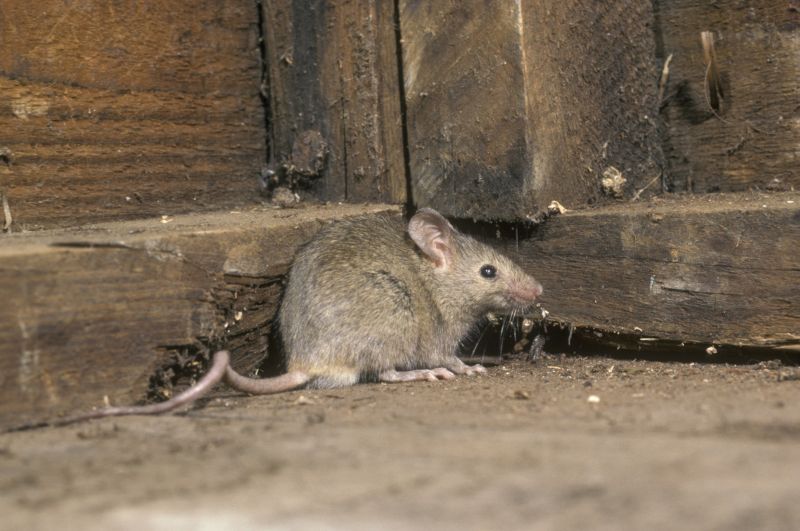
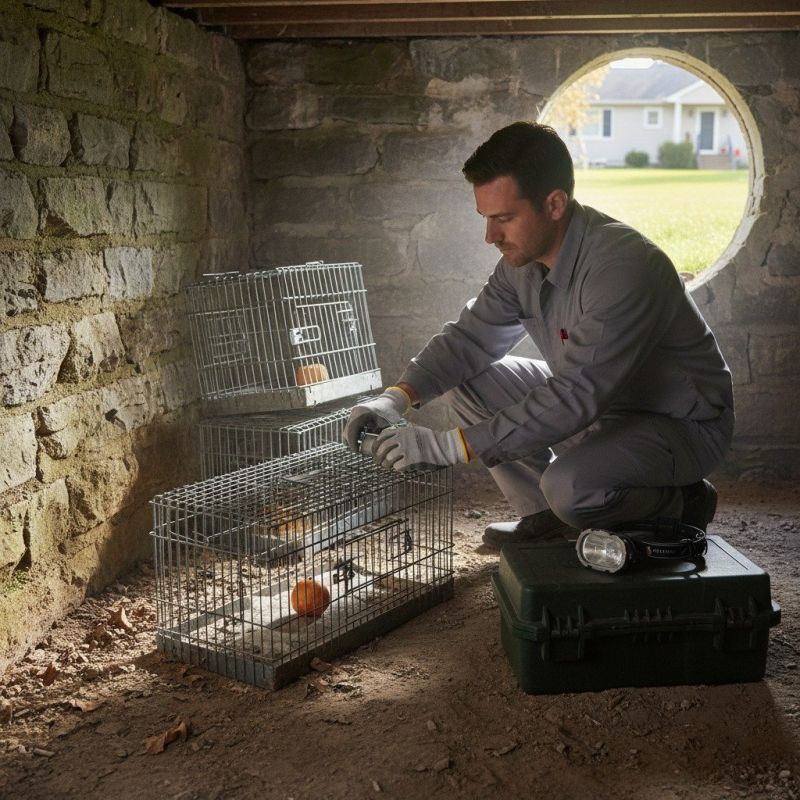
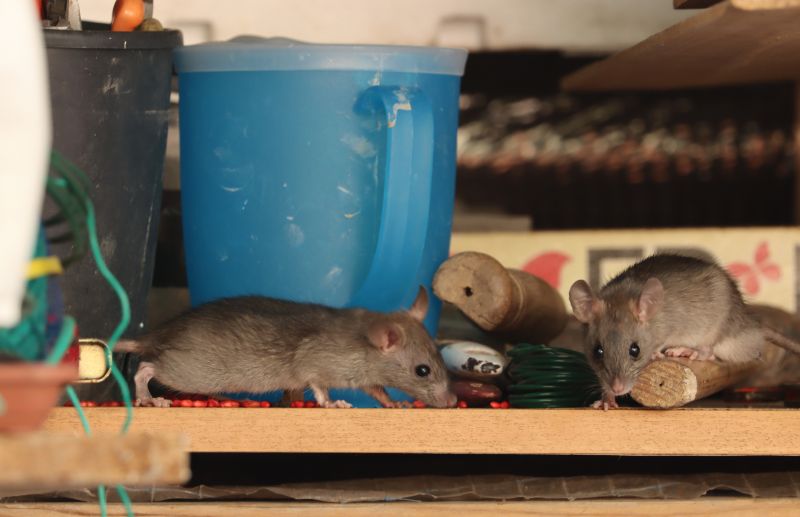
When people search for information about common small animal problems in commercial and industrial properties, they are often concerned about pests and wildlife that can cause damage or disrupt operations. These searches typically relate to issues such as rodents, birds, bats, or other small animals that find ways into buildings or structures, creating safety hazards, contamination risks, or property damage. Business owners and property managers want to understand how these animals might be impacting their facilities and seek practical solutions to prevent or resolve infestations. Recognizing these problems early can help maintain a safe, clean, and compliant environment, which is why many look for local service providers who specialize in small animal removal.
The problems associated with small animals in commercial and industrial settings often involve animals gaining access through openings, vents, or damaged areas in the building’s exterior. Once inside, they may nest in hidden spaces, chew through wiring or insulation, and leave droppings that pose health risks. Plans to address these issues usually include inspection, exclusion, and removal strategies designed to eliminate current infestations and prevent future ones. For property owners, understanding the typical behaviors of these animals and their preferred entry points helps in developing effective plans that minimize disruptions to daily operations. Local pros experienced in small animal removal can provide tailored solutions that target the specific species and structural vulnerabilities involved.
Commercial properties that commonly encounter small animal problems include warehouses, manufacturing plants, retail outlets, and office complexes. Industrial sites with large open spaces, loading docks, or storage areas are particularly vulnerable because these environments often provide ample hiding spots and food sources for pests. Similarly, multi-unit buildings like apartment complexes or office parks may experience issues with birds or bats roosting in eaves, vents, or attic spaces. These types of properties typically require ongoing maintenance and proactive measures to keep small animals out. Local service providers who specialize in small animal removal understand the unique challenges faced by these properties and can help develop integrated plans to address current problems and prevent future ones.
Understanding common small animal problems in commercial and industrial properties helps property owners and managers see how these issues connect to real projects. Whether it’s sealing entry points, setting traps, or installing deterrents, the goal is to restore safety and cleanliness while minimizing operational disruptions. Local pros play a crucial role in the process by providing expertise and hands-on services to handle the removal and exclusion of small animals. They can assess the property’s vulnerabilities, recommend effective solutions, and implement them efficiently. For anyone facing these issues, connecting with experienced service providers ensures that small animal problems are addressed thoroughly, helping to protect the property’s integrity and maintain a safe environment for employees and visitors alike.
Wildlife Exclusion Projects - These projects involve sealing entry points and installing barriers to prevent animals from accessing buildings, similar to small animal removal efforts in commercial properties.
Pest Proofing Services - Focused on preventing animal intrusion through structural modifications, which aligns with the planning and tools used in small animal exclusion and removal.
Building Inspection and Damage Assessment - Identifying entry points and damage caused by small animals shares skills with locating and addressing infestation issues in commercial settings.
Rodent Control and Prevention - Specialized in managing rodent populations, which often overlaps with small animal problems in industrial properties requiring targeted removal strategies.
Habitat Modification Projects - These involve altering environments to make them less attractive to animals, similar to the preventative measures in small animal control.
Structural Repair and Reinforcement - Restoring and fortifying buildings to prevent animal entry relates directly to the planning and repair skills used in small animal exclusion services.
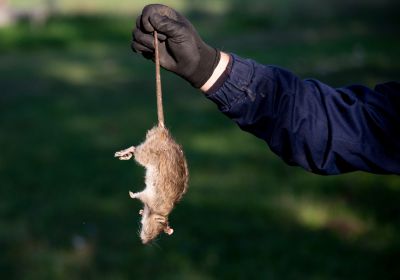
When comparing service providers for small animal removal in commercial and industrial properties, it is important to evaluate their experience with similar projects. Service providers who have a history of handling small animal problems in environments like warehouses, factories, or office complexes are more likely to understand the unique challenges involved. Their familiarity with the types of animals commonly found in such settings and the appropriate removal techniques can contribute to more effective and efficient solutions. Asking about their past work on comparable sites can help determine if they have the practical knowledge needed to address the specific issues that may arise in these environments.
Clear written expectations are essential when selecting a local contractor for small animal removal services. A detailed scope of work, outlining the steps involved in the removal process, the methods used, and any follow-up procedures, helps ensure all parties are aligned. This transparency minimizes misunderstandings and provides a record of what is to be expected from the service provider. It also allows property owners to assess whether the proposed approach aligns with their needs and standards, leading to a smoother and more predictable project experience.
Reputable references and good communication are key indicators of a trustworthy service provider. Local contractors who can provide references from previous commercial or industrial clients demonstrate their ability to deliver reliable results in similar settings. Additionally, service providers who communicate clearly and promptly, answering questions and providing updates throughout the process, contribute to a more positive working relationship. These qualities help property owners feel confident that the small animal removal will be handled professionally and with attention to the specific requirements of their property.
Property owners often search for common small animal problems in commercial and industrial properties when they are planning practical projects around their homes and businesses. Local pros provide Small Animal Removal services for everyday jobs and straightforward project options.
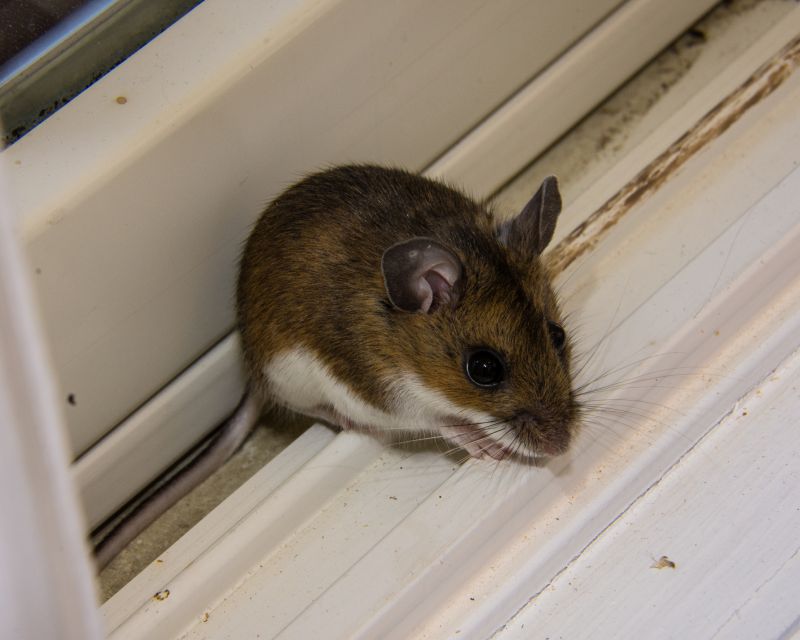
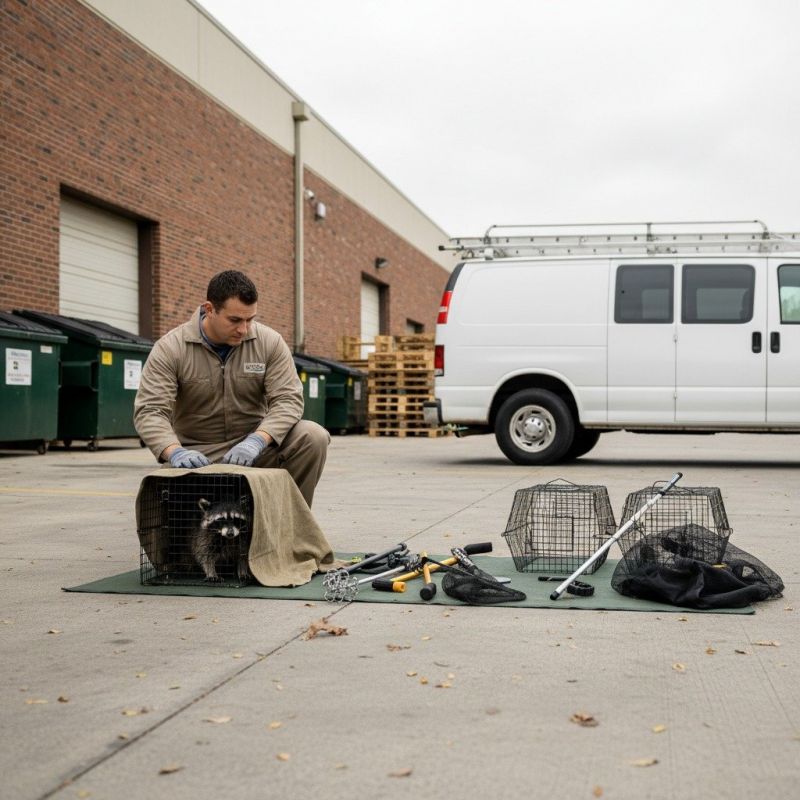
In commercial and industrial properties, small animal problems are a common concern for property owners and managers. These issues often arise when rodents, birds, or other small creatures find ways into buildings through gaps, vents, or damaged areas. Such intrusions can lead to damage to insulation, wiring, and stored goods, as well as create health risks due to contamination or droppings. When these problems occur, property owners frequently search for local contractors who specialize in small animal removal services to address the situation efficiently and prevent further issues.
Many property owners seek out local service providers when they notice signs of small animal activity, such as strange noises, droppings, or damage to building materials. Quick intervention by experienced professionals can help remove the animals safely and effectively, reducing the risk of ongoing damage or health hazards. Connecting with local pros who are familiar with common small animal problems in commercial and industrial settings ensures that the property can be restored to a secure and animal-free condition, minimizing disruptions to daily operations.
What are common small animal problems in commercial and industrial properties? Common issues include rodents nesting in walls, birds roosting on rooftops, and small mammals damaging insulation or wiring, which can lead to safety hazards and property damage.
How can small animals affect the safety of a commercial or industrial property? Small animals can cause electrical fires, structural damage, and contamination, all of which pose safety risks to building occupants and operations.
What signs indicate the presence of small animals in a property? Signs include droppings, gnaw marks, nests, sounds of scurrying, and damage to insulation, wiring, or stored materials.
Why is professional small animal removal important for commercial and industrial sites? Professionals can effectively identify entry points, safely remove animals, and implement exclusion methods to prevent future infestations, reducing property damage and health risks.
What types of small animals are commonly removed from commercial and industrial properties? Commonly removed animals include rodents like mice and rats, birds such as pigeons and sparrows, and small mammals like squirrels.
Identifying entry points - property owners can inspect buildings regularly to spot small openings that animals might use to access the interior, enabling local contractors to seal them effectively. Managing clutter and debris - removing overgrown vegetation and stored materials around the property reduces hiding spots for small animals, with local pros providing cleanup and removal services. Implementing exclusion measures - installing barriers or screens around vents, pipes, and foundation areas helps prevent animals from entering, with local specialists handling the installation. Monitoring and maintenance - setting up routine inspections and ongoing upkeep can catch small animal problems early, allowing local service providers to perform timely removals and repairs.
If you are thinking about common small animal problems in commercial and industrial properties for a property, this guide is meant to help you understand this topic, the typical project types, and how different options might fit your plans.
When you are ready, you can use the quote form on this page to share a few details about your project. From there, local pros can review the basics and follow up with options that match what you have in mind.