Health Risks Associated With Wildlife Living in or Around Your Home
Wildlife removal experts can help eliminate animals in or around your home to reduce health risks associated with wildlife living in or around your home.
Understanding the health risks associated with wildlife living in or around your home is an important step for property owners in the area. Animals such as raccoons, squirrels, bats, and birds can carry diseases or parasites that may pose serious health concerns for residents and pets alike. Recognizing the signs of unwanted wildlife presence and taking proactive measures can help prevent potential health issues before they develop, making your home a safer, healthier space.
Local contractors who specialize in wildlife removal are equipped to address these concerns effectively. They can identify and safely remove animals that may be living in attics, walls, or other hidden areas, reducing the risk of disease transmission and contamination. Exploring options for humane and thorough wildlife removal can provide peace of mind, ensuring your property remains a safe environment for everyone. Keep reading to learn more about how wildlife can impact health and what steps can be taken to manage these risks.
- Wildlife exclusion - when wildlife has entered your home or attic, local contractors can safely remove animals to reduce health risks associated with wildlife living in or around your home.
- Rodent removal - signs of rodent activity prompt local service providers to eliminate infestations that can carry disease and contaminate food sources.
- Bat exclusion and removal - detecting bats in your property leads local pros to carefully remove them and prevent future health hazards related to droppings and airborne pathogens.
- Bird control services - when birds nest on or near your home, local contractors can humanely remove them to prevent health issues from droppings and parasites.
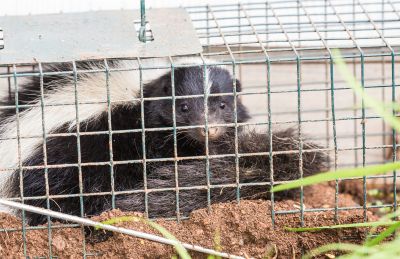
- Skunk and raccoon removal - evidence of these animals living nearby prompts local experts to safely remove them, helping to mitigate health risks linked to their presence.
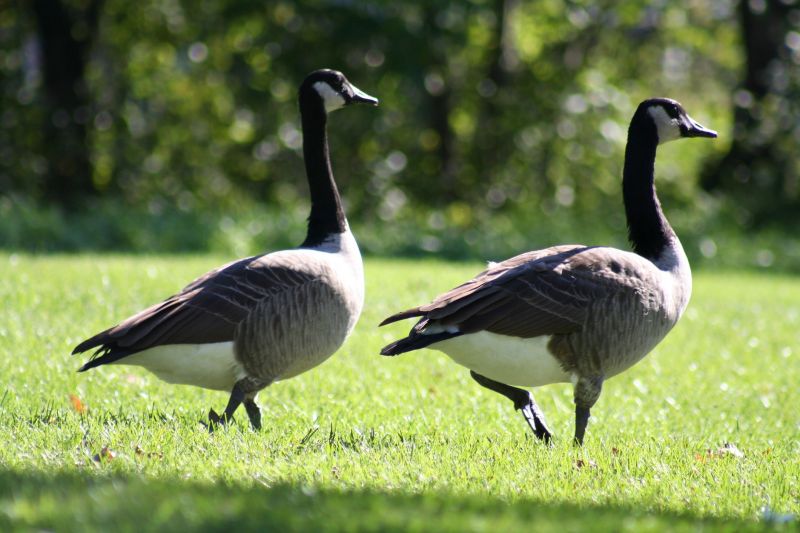
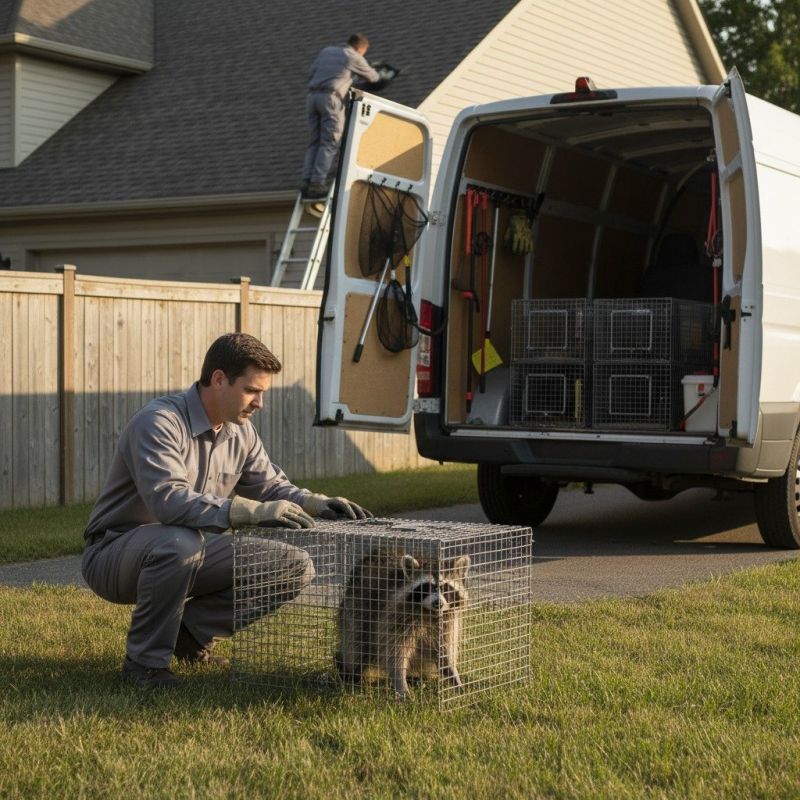
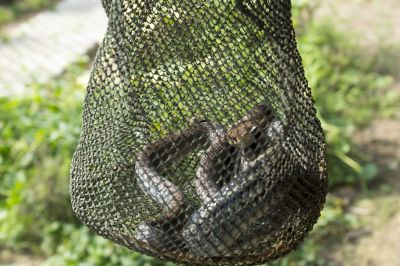
When people search for information about health risks associated with wildlife living in or around their home, they are often concerned about the potential dangers posed by animals that have taken up residence nearby. This interest typically stems from noticing signs of wildlife activity, such as droppings, strange noises, or damage to the property. Homeowners want to understand how these animals might affect their health and what steps are necessary to address any risks. The focus is on identifying hazards like disease transmission, parasite infestations, or structural damage caused by animals seeking shelter or food in attics, basements, or crawl spaces.
This topic relates closely to plans for wildlife removal, exclusion, and prevention. Many property owners are looking to safely and effectively remove animals like raccoons, squirrels, bats, or birds from their homes and prevent future invasions. Addressing health risks associated with wildlife living in or around a home involves not only removing the animals but also cleaning and sanitizing affected areas to eliminate droppings, nests, and potential pathogens. Local wildlife removal service providers often assist with these projects, ensuring that the process minimizes health hazards and restores a safe environment for residents.
Certain types of properties are more prone to wildlife issues, especially those with accessible attics, roof vents, chimneys, or gaps in siding and foundation. Older homes, rural properties, and buildings with poor insulation or damaged structures tend to attract animals seeking shelter or warmth. Additionally, properties near wooded areas, water sources, or overgrown vegetation are more likely to experience wildlife incursions. Recognizing the specific risks associated with these property types helps homeowners understand the importance of professional wildlife control services to reduce health hazards effectively.
Understanding the health risks associated with wildlife living in or around a home emphasizes the importance of professional intervention. Local contractors specializing in wildlife removal can assess the property for entry points and signs of animal activity, then safely remove the animals and implement exclusion measures to prevent future problems. They also provide cleaning and sanitation services to remove waste, nests, and potential disease agents, reducing exposure to health hazards. Engaging experienced service providers ensures that the property is thoroughly cleared of wildlife-related health risks, making it safer and healthier for residents.
Pest Control Projects - pest control services often involve identifying and eliminating pests that can carry diseases, similar to addressing health risks associated with wildlife living in or around your home.
Exclusion and Sealing Services - these projects focus on sealing entry points to prevent wildlife from entering homes, reducing health risks linked to wildlife infestations.
Sanitation and Cleanup Services - sanitation projects involve cleaning up droppings, nests, and debris left by wildlife, which helps mitigate health hazards.
Rodent and Wildlife Damage Repair - repairing structural damages caused by wildlife can also involve addressing potential health risks associated with animal intrusion.
Bird Control and Deterrent Projects - bird control services prevent bird populations from nesting in or around homes, lowering the risk of disease transmission.
Wildlife Habitat Modification - habitat modification projects aim to make properties less attractive to wildlife, reducing the likelihood of health issues caused by animal presence.
When evaluating wildlife removal service providers, it is important to consider their experience with similar projects involving wildlife that may pose health risks when living in or around a home. An experienced contractor will have a better understanding of the common species encountered in the area and the most effective strategies for safely and humanely removing them. This familiarity can help ensure that the removal process addresses the specific risks associated with wildlife, such as the spread of diseases or contamination of living spaces, reducing the likelihood of recurring issues.
Clear written expectations are essential when comparing local contractors for wildlife removal services. A reputable service provider should be able to explain the scope of work, including inspection procedures, removal methods, and follow-up steps, in straightforward language. Having this information in writing helps homeowners understand what to expect and provides a basis for evaluating whether the service addresses health concerns effectively. It also reduces misunderstandings and ensures that both parties are aligned on the goals of the project related to minimizing health risks.
Reputable references and good communication are key indicators of a trustworthy service provider. When assessing local contractors, it is helpful to seek out reviews or testimonials that speak to their ability to handle wildlife issues responsibly and efficiently. Good communication throughout the process-such as prompt responses to questions and clear explanations of procedures-can make a significant difference in managing health risks. A contractor who listens carefully and provides thorough information can help homeowners feel confident that the wildlife removal will be handled in a way that prioritizes health and safety.
Property owners often search for health risks associated with wildlife living in or around your home when they are planning practical projects around their homes and businesses. Local pros provide Wildlife Removal services for everyday jobs and straightforward project options.
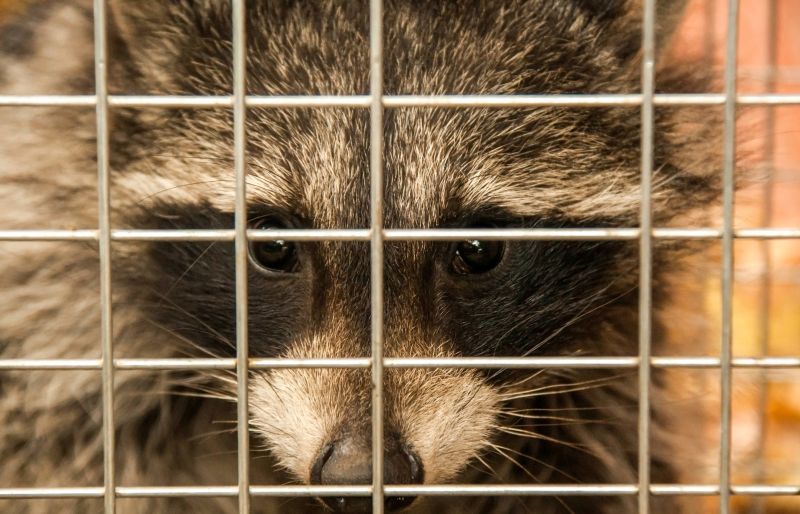
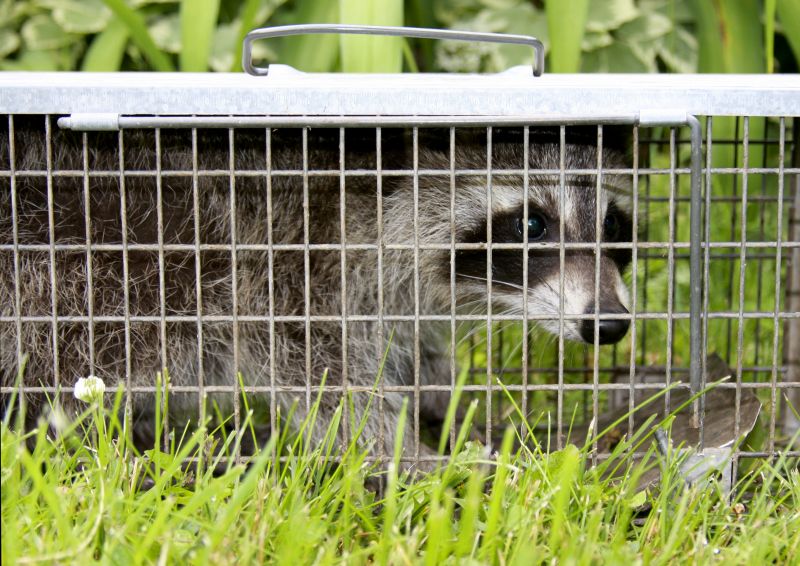
Wildlife living in or around a home can pose various health risks that property owners might want to be aware of. Animals such as raccoons, squirrels, bats, and birds often seek shelter in attics, crawl spaces, or wall cavities, which can lead to the spread of parasites, bacteria, and diseases. For example, droppings and nesting materials can harbor pathogens that may cause illnesses like histoplasmosis or salmonella, especially when disturbed or cleaned improperly. Recognizing the potential health hazards associated with these animals can motivate property owners to seek professional wildlife removal services to safely and effectively address the problem.
In addition to disease transmission, wildlife can cause structural damage that increases health concerns. Chewing on electrical wiring or insulation not only creates fire hazards but also increases the risk of exposure to hazardous materials. Additionally, animals such as bats and rodents can carry fleas, ticks, and mites, which can bite humans and transmit illnesses. Engaging experienced service providers in the area can help ensure wildlife is removed humanely and safely, reducing the risk of health issues and preventing further damage to the property.
What health risks are associated with wildlife living in or around my home? Wildlife can carry diseases such as rabies, histoplasmosis, and leptospirosis, which may pose health risks to residents. Local contractors experienced in wildlife removal can help eliminate these risks by safely removing animals from your property.
How can wildlife in my home impact my family’s health? Animals like bats, rodents, and raccoons can transmit parasites, bacteria, and viruses that may cause illnesses. Professional wildlife removal services can reduce these health hazards by properly excluding and removing animals.
Are there specific diseases linked to common backyard wildlife? Yes, animals such as squirrels, skunks, and birds can carry diseases like tularemia and salmonella. Local wildlife removal experts can identify and address the presence of these animals to protect your health.
Why is it important to address wildlife living in or around my home promptly? Delaying removal can increase the risk of disease transmission and exposure to parasites. Local contractors can quickly and effectively remove wildlife to minimize health concerns.
What steps do wildlife removal services take to reduce health risks? They typically remove animals safely, seal entry points, and clean affected areas to prevent disease spread. Contacting local pros ensures that health risks associated with wildlife are managed professionally.
Identify wildlife entry points - property owners can work with local contractors to find and seal gaps that allow animals to enter, reducing health risks associated with wildlife living in or around the home.
Remove nesting sites safely - professionals can assist with humane removal of nests to prevent exposure to parasites and bacteria that pose health hazards.
Implement exclusion measures - local service providers can install barriers and deterrents to keep wildlife away, minimizing potential health risks linked to their presence.
Schedule regular inspections - routine checks by wildlife removal experts help detect early signs of wildlife activity, reducing health risks associated with prolonged infestations.
If you are thinking about health risks associated with wildlife living in or around your home for a property, this guide is meant to help you understand this topic, the typical project types, and how different options might fit your plans.
When you are ready, you can use the quote form on this page to share a few details about your project. From there, local pros can review the basics and follow up with options that match what you have in mind.