What to Expect During a Professional Wildlife Removal Visit
People seeking wildlife removal typically want pests safely removed and excluded, and local service providers can handle inspections, humane trapping, and prevention measures.
If you’ve recently encountered signs of wildlife activity on your property, understanding what to expect during a professional wildlife removal visit can help ease concerns and prepare you for the process. Typically, local contractors will begin with an assessment to identify the species involved, the extent of the problem, and the areas where animals may be gaining entry. This initial step ensures that the removal process is thorough and tailored to your specific situation. Knowing what to anticipate can make the experience less stressful and help property owners feel more confident in the expertise that local wildlife removal specialists bring to the job.
During a wildlife removal visit, you can generally expect the professionals to use humane methods to safely remove animals and then implement exclusion techniques to prevent future issues. They may also provide guidance on how to minimize attractants and protect your property moving forward. Engaging with experienced service providers ensures that the process aligns with local regulations and best practices. For property owners exploring options to resolve wildlife concerns, understanding these steps highlights how local pros can help restore peace of mind while safeguarding the integrity of your home or business.
- Wildlife exclusion - when animals have entered a property and need to be safely removed and prevented from re-entry, local contractors implement humane exclusion techniques.
- Damage repair - after wildlife has caused structural damage, service providers assess and repair areas to restore safety and integrity.
- Inspection and assessment - during a visit, professionals evaluate the extent of wildlife activity and identify entry points and potential risks.
- Animal removal - when wildlife is discovered inside a building, local experts employ humane methods to safely remove the animals.
- Habitat modification - to prevent future issues, service providers recommend and implement modifications to deter wildlife from returning.
When people search for what to expect during a professional wildlife removal visit, they are often seeking clarity about the process involved when a technician arrives at their property to handle nuisance animals. Homeowners and property managers typically want to understand the scope of work, how long the visit might take, and what kinds of activities will occur during the appointment. This information helps them prepare for the visit, ensure safety, and understand the steps involved in resolving wildlife issues effectively. Clarifying these expectations can also reduce uncertainty and foster confidence that experienced service providers will handle the situation professionally.
Wildlife removal visits generally relate to problems such as animals invading attics, garages, crawl spaces, or other parts of a property. These issues can stem from animals seeking shelter, food, or nesting sites, often leading to damage or sanitation concerns. Property owners may also have plans to prevent future invasions or need assistance with humane removal methods. These visits are part of broader efforts to address wildlife conflicts, protect property integrity, and ensure that animals are removed safely and humanely. Understanding what the visit entails helps homeowners know what to expect and how the process fits into their overall property maintenance or renovation plans.
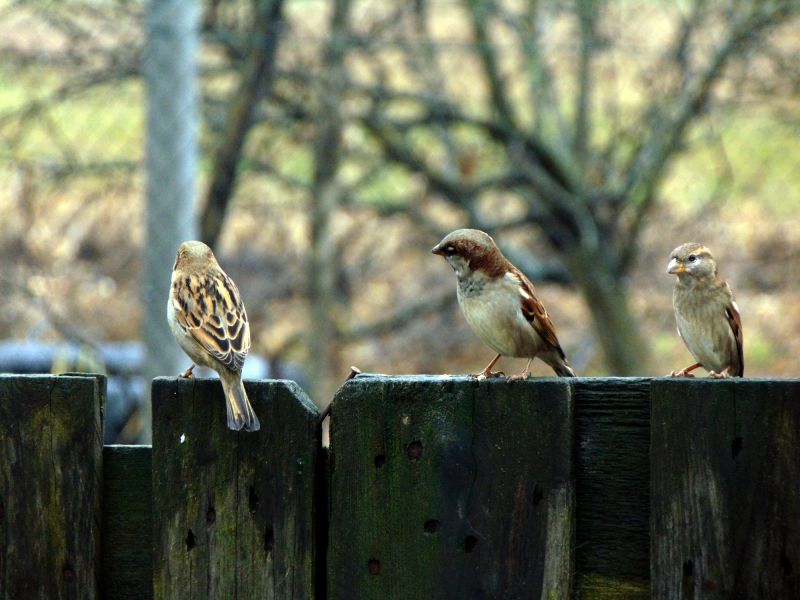
The types of properties that typically come up during wildlife removal visits include residential homes, especially those with attics or basements, as well as commercial buildings, barns, and farm structures. Homes in rural or suburban areas are common sites for wildlife encounters, with animals such as raccoons, squirrels, bats, or birds causing issues. Larger properties or those with less frequent maintenance may also experience wildlife problems, particularly if they have accessible entry points or natural surroundings that attract animals. Local service providers are skilled at assessing these various property types and tailoring their approach to suit the specific layout and wildlife challenges present.
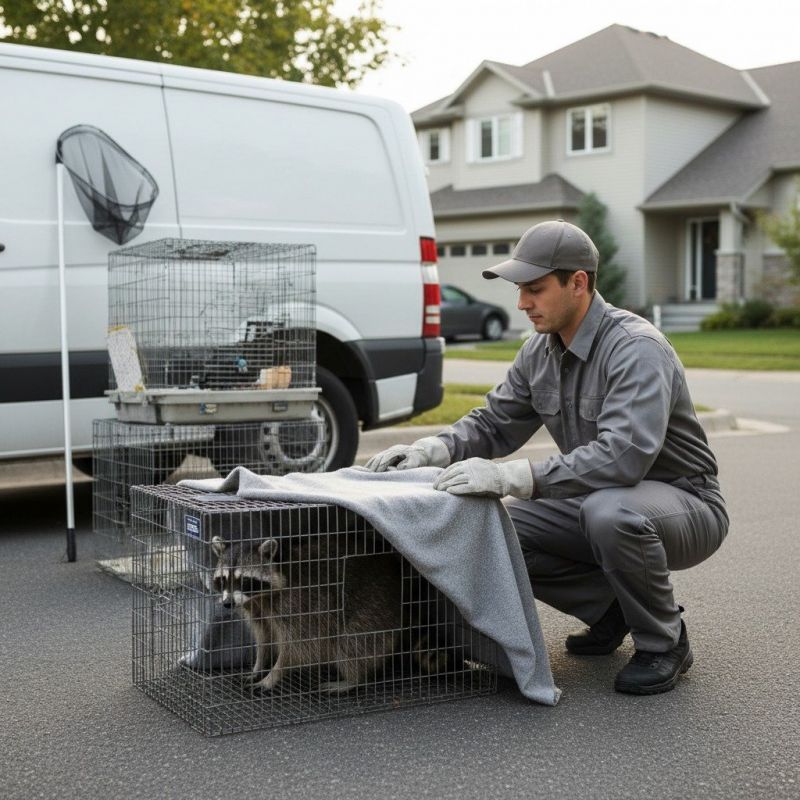
During a professional wildlife removal visit, homeowners can expect the technician to conduct a thorough inspection of the property to identify entry points, nesting sites, and signs of animal activity. The process typically involves setting humane traps or exclusion devices, sealing entry points once animals are removed, and providing guidance on preventing future issues. The technician will usually explain each step of the process, answer questions, and outline the measures taken to ensure the property remains wildlife-free. This visit is designed to be comprehensive, addressing the immediate problem and establishing long-term solutions. Knowing what to expect can help property owners feel more comfortable and confident that experienced service providers will handle the situation efficiently and humanely.
Attic Insulation Services - local contractors often handle insulation installation and removal, which is important during wildlife exclusion to prevent future infestations.
Pest Control and Exclusion - professionals specializing in pest exclusion use similar planning and tools to safely remove wildlife and block entry points.
Home Inspection Services - home inspectors and wildlife removal specialists both assess property conditions to identify entry points and damage caused by animals.
Damage Repair and Restoration - repair services for structural damage caused by wildlife often require similar skills in assessing and restoring affected areas.
Rodent Proofing Services - rodent-proofing involves sealing entry points and implementing preventive measures, aligning with wildlife exclusion techniques.
Bird Control and Netting - bird control projects use planning and tools comparable to those used in wildlife removal to prevent animals from nesting on properties.
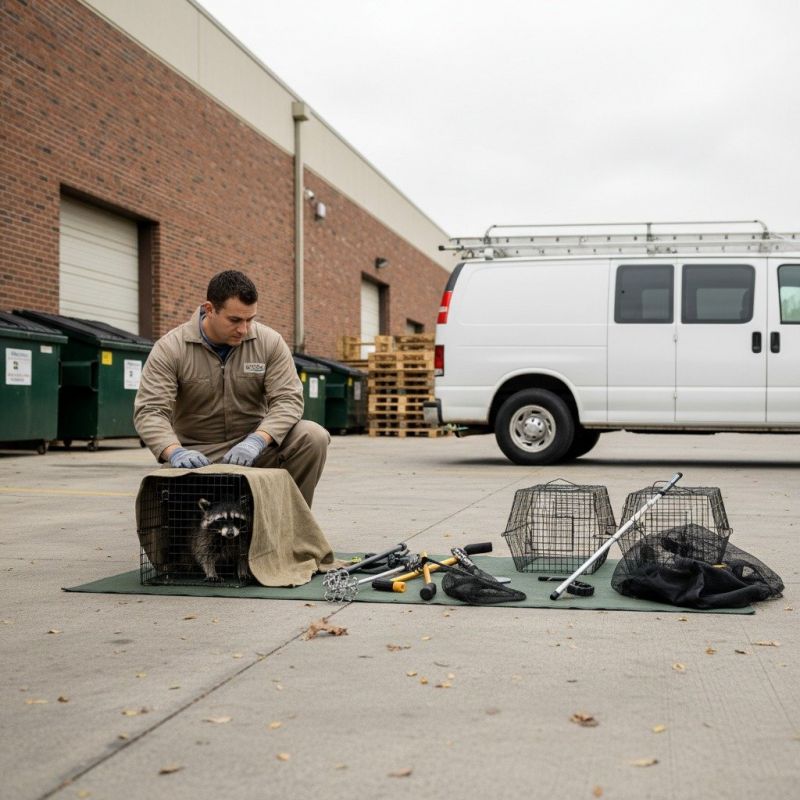
When evaluating wildlife removal service providers, it is important to consider their experience with similar projects. Homeowners should inquire about how long a local contractor has been performing wildlife removal work and whether they have handled cases comparable to their situation. A provider with a track record of managing comparable wildlife issues is more likely to understand the nuances involved and deliver effective solutions. Additionally, reputable references or testimonials can offer insight into the quality of their work and reliability, helping homeowners gauge the service provider’s ability to meet expectations during a wildlife removal visit.
Clear, written expectations are essential when comparing local wildlife removal contractors. Service providers should be able to outline what the wildlife removal visit will entail, including the steps they plan to take and any follow-up actions needed. This transparency helps ensure homeowners understand what to expect during a professional wildlife removal visit and can assess whether the scope of work aligns with their needs. Well-documented expectations also serve as a foundation for accountability, reducing misunderstandings and providing a basis for evaluating the thoroughness of the service once the work is completed.
Effective communication is a key factor in choosing a reliable wildlife removal service provider. Homeowners should look for local contractors who are responsive, willing to answer questions clearly, and able to explain their process in understandable terms. Good communication fosters trust and ensures that homeowners feel informed and comfortable throughout the removal process. It also helps in addressing any concerns that may arise during or after the visit, contributing to a smoother experience and increasing confidence that the wildlife removal will be handled professionally and efficiently.
Property owners often search for what to expect during a professional wildlife removal visit when they are planning practical projects around their homes and businesses. Local pros provide Wildlife Removal services for everyday jobs and straightforward project options.
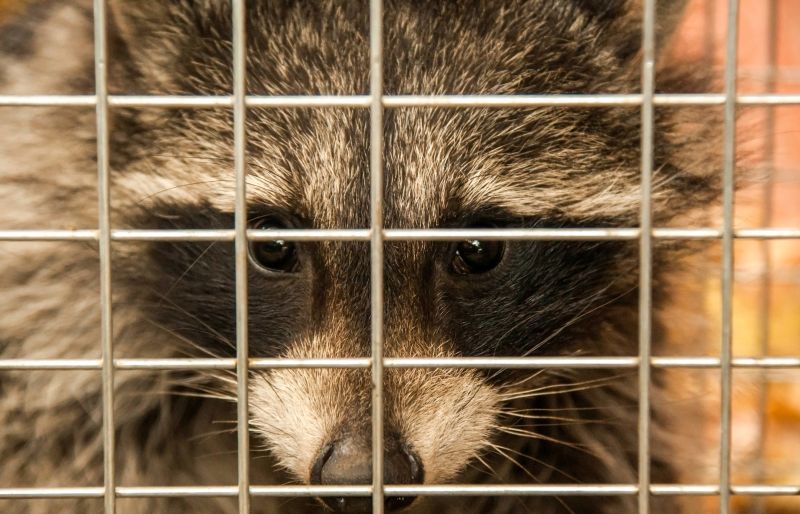
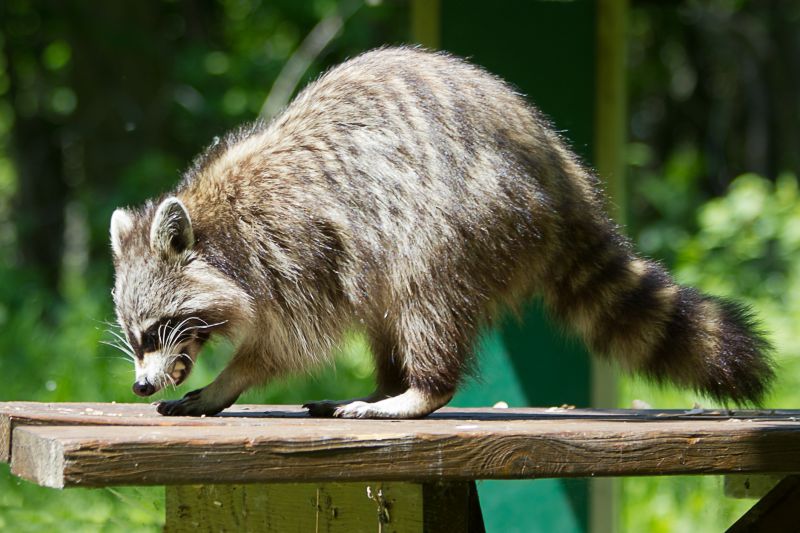
During a professional wildlife removal visit, property owners can typically expect a thorough assessment of the affected areas. Service providers often begin by inspecting the property to identify signs of wildlife activity, such as droppings, damage, or nests. This initial step helps determine the type of animal involved and the best approach for safe and effective removal. Throughout the visit, local contractors may set up humane traps or other removal methods, ensuring minimal disruption to the property and its occupants. They also usually explain their process clearly, so property owners understand what to expect during the removal process and any follow-up steps needed to prevent future issues.
Many property owners seek wildlife removal services because they notice unusual noises, damage to the building structure, or the presence of animals in attics, basements, or walls. When engaging with local service providers, property owners can expect a professional to handle the situation discreetly and efficiently. The visit often includes sealing entry points and offering advice on how to make the property less attractive to wildlife in the future. Overall, a typical wildlife removal visit aims to resolve the immediate problem while helping property owners understand how to maintain a wildlife-free environment moving forward.
What happens during a professional wildlife removal visit? During a wildlife removal visit, local contractors will assess the affected area, identify the species involved, and determine the best removal methods to ensure humane and effective removal of the animals.
Will the wildlife removal technician inspect my property? Yes, the technician will conduct a thorough inspection of your property to locate entry points, nesting sites, and signs of wildlife activity to plan an appropriate removal strategy.
What tools and techniques are used during a wildlife removal visit? Local service providers typically use specialized tools and techniques such as one-way doors, exclusion devices, and trapping methods to safely and humanely remove wildlife.
Is there any cleanup involved during the visit? Some wildlife removal services include cleanup of droppings, nesting materials, and debris caused by the animals to help restore your property’s condition.
What should I do to prepare for a wildlife removal visit? Property owners are usually advised to clear the area of personal belongings and ensure access to affected areas so that technicians can perform their work efficiently and safely.
Inspection process - property owners can prepare for a wildlife removal visit by identifying areas where animals might be entering or nesting, helping local contractors focus their inspection.
Understanding removal methods - learning about the techniques used during a visit can help property owners plan for any necessary cleanup or repairs afterward.
Post-removal steps - property owners can discuss with local pros about sealing entry points and preventing future wildlife visits as part of the visit process.
Safety considerations - knowing what to expect during a professional wildlife removal visit can help property owners stay safe and avoid disturbing animals during the process.
If you are thinking about what to expect during a professional wildlife removal visit for a property, this guide is meant to help you understand this topic, the typical project types, and how different options might fit your plans.
When you are ready, you can use the quote form on this page to share a few details about your project. From there, local pros can review the basics and follow up with options that match what you have in mind.